7 Common Data Centre Cooling Mistakes to Avoid
As businesses increasingly rely on digital infrastructure, data centres have become the backbone of modern operations. From cloud computing and telecommunications to banking and healthcare, these facilities require reliable cooling systems to maintain optimal performance. Even minor cooling issues can lead to equipment failure, unexpected downtime, and increased operational costs.
Proper data centre cooling is not just about keeping servers cold – it's about maintaining the right temperature, airflow, and humidity levels to ensure maximum efficiency and longevity of your IT equipment. Avoiding common cooling mistakes can significantly improve performance while reducing energy consumption.
1. Ignoring Airflow Management
Poor airflow management is one of the biggest causes of inefficient cooling in data centres. When hot and cold air mix, cooling systems must work harder to maintain the desired temperature.
Also Read: Why You’re Paying More for Heating Than You Should – And How to Fix It
Common airflow mistakes include:
- Improper rack placement
- Unsealed cable openings
- Lack of hot aisle and cold aisle containment
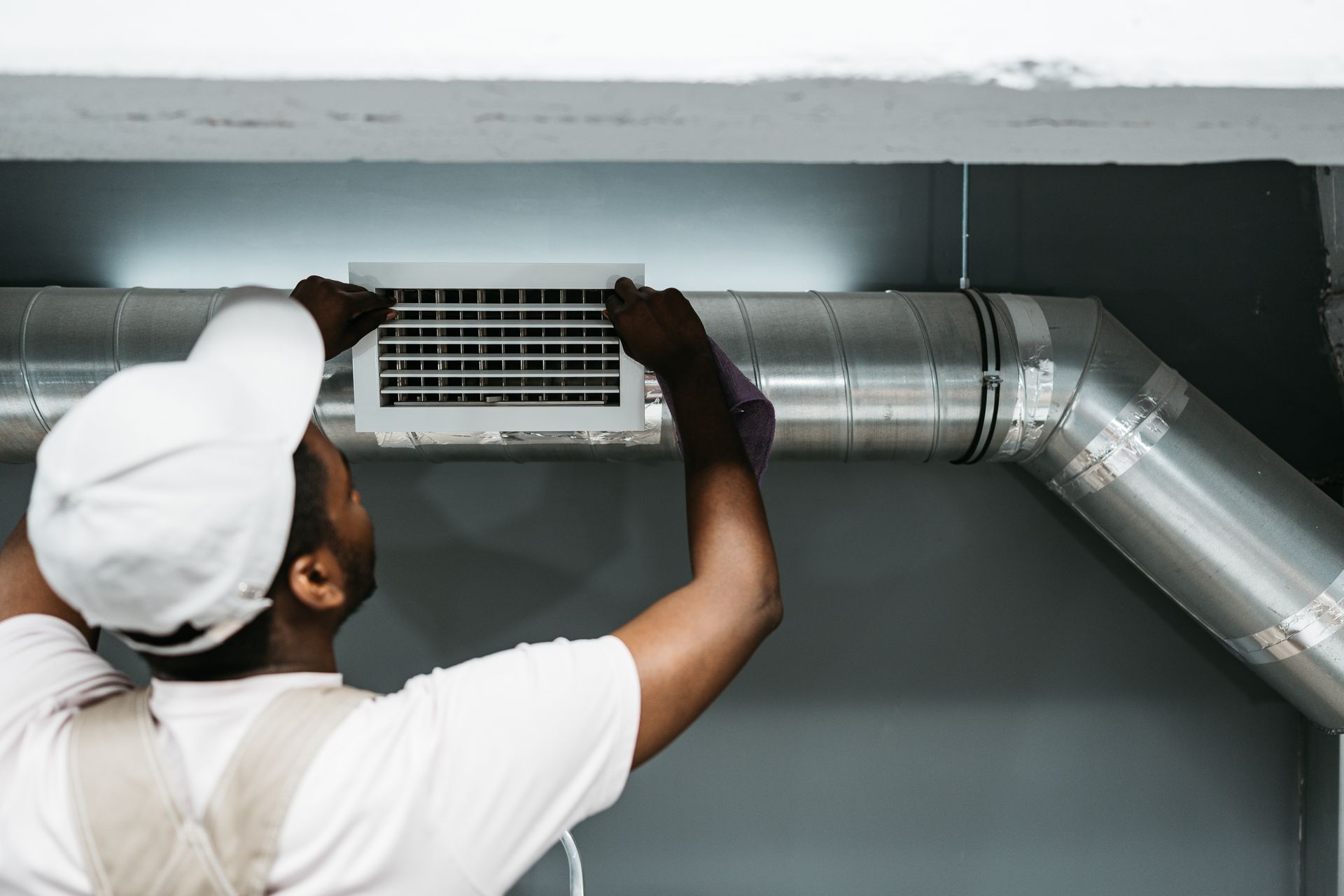
- Obstructed air vents
Effective airflow management ensures cool air reaches the equipment that needs it while hot air is efficiently removed. Proper containment strategies can significantly improve cooling performance and reduce energy costs.
2. Using the Wrong Cooling Solution
Not all data centres have the same cooling requirements. Choosing a cooling system based solely on cost or availability can result in poor performance and higher maintenance expenses.
Factors that should influence your cooling solution include:
- Data centre size
- Rack density
- Heat load requirements
- Future scalability
- Energy efficiency goals
Modern data centres may require precision cooling systems, chilled water solutions, in-row cooling, or adiabatic cooling technologies depending on their operational needs.
3. Neglecting Temperature and Humidity Monitoring
Temperature fluctuations and improper humidity levels can damage sensitive IT equipment over time. Without continuous monitoring, small issues may go unnoticed until they cause major disruptions.
Installing infrastructure monitoring systems allows businesses to:
- Track temperature changes in real time
- Monitor humidity levels
- Identify cooling inefficiencies early
- Improve overall energy management
Regular monitoring helps maintain optimal operating conditions and minimizes the risk of costly downtime.
4. Overcooling the Data Centre
Many organizations believe that colder is always better. In reality, overcooling wastes energy and unnecessarily increases operational costs.
Modern industry best practices recommend maintaining temperatures within acceptable operating ranges rather than aiming for excessively cold environments. Overcooling can increase power consumption without delivering additional performance benefits.
The goal should be smart cooling—not excessive cooling.
Also Read: How Proper HVAC Design Improves Indoor Air Quality in Commercial Buildings
5. Failing to Plan for Growth
Data centres are constantly evolving to accommodate new technologies and increasing workloads. Cooling systems that meet today's requirements may become inadequate in just a few years.
Failure to plan for future expansion often leads to:
- Cooling inefficiencies
- Higher upgrade costs
- Reduced equipment lifespan
- Unexpected downtime
Scalable cooling infrastructure allows businesses to expand their operations without compromising reliability or performance. Investing in future-ready cooling solutions can save significant costs in the long run.
6. Skipping Preventive Maintenance
Cooling systems require regular inspections and maintenance to operate efficiently. Dust accumulation, worn components, and refrigerant issues can reduce performance over time.
Preventive maintenance should include:
- Routine system inspections
- Cleaning filters and ducts
- Testing sensors and monitoring systems
- Checking airflow performance
- Evaluating energy efficiency metrics
Proactive maintenance helps identify potential problems before they lead to equipment failures or costly repairs.
7. Working with Inexperienced Cooling Providers
Data centre cooling is highly specialized. A poorly designed or improperly installed cooling system can negatively affect performance, reliability, and operational costs.
Partnering with experienced HVAC and data centre cooling specialists ensures that your infrastructure is designed according to industry standards and tailored to your specific needs.
In East Africa, businesses are increasingly investing in advanced precision cooling technologies to support growing digital infrastructure. Companies such as Nuair Technologies provide specialized HVAC engineering and data centre cooling solutions, including precision cooling systems, infrastructure monitoring, thermal containment, chilled water systems, and raised floor solutions for mission-critical environments. Their expertise helps organizations build energy-efficient and reliable data centre facilities across the region.
In conclusion, data centre cooling directly impacts system reliability, operational efficiency, and business continuity. Avoiding common mistakes such as poor airflow management, overcooling, inadequate monitoring, and neglecting maintenance can significantly improve performance while reducing energy costs.
As data centres continue to support critical business operations, investing in the right cooling strategy is essential. Working with experienced specialists and implementing scalable, energy-efficient cooling solutions can help ensure your infrastructure remains secure, reliable, and ready for future growth.