Why You’re Paying More for Heating Than You Should – And How to Fix It
Why You’re Paying More for Heating Than You Should – And How to Fix It
If your heating bills seem to rise every month no matter how careful you are, probably you’re not alone. Millions of homeowners and businesses experience the same problem every year. The surprising part? Most people don’t know why their energy costs are so high, and even fewer know how to fix the issue.
Heating your home or office shouldn’t feel like a financial burden. With the right knowledge and a few smart changes, you can significantly reduce your heating expenses without sacrificing comfort. In this comprehensive guide, we’ll uncover the main reasons your heating bill is higher than it should be and show you practical, affordable ways to lower it.
1. Your Home Is Losing Heat Faster Than You Realize
One of the biggest reasons people pay too much for heating is simple: heat is escaping faster than the heater can replace it. When your home isn’t properly sealed or insulated, warm air slips out and cold air sneaks in –forcing your heating system to run longer and work harder.
How heat escapes
- Thin or poorly insulated walls
- Unsealed gaps around windows and doors
- Cracks in floors or ceilings
- Drafts under exterior doors
- Single-pane or old windows
Even a small gap can have a big impact. If you add up all the tiny cracks in an average home, it can be equivalent to leaving a full-sized window open all day.
Also Read: Benefits of Installing a Smart Thermostat with Your HVAC System
What you can do
- Install weather stripping around doors and windows
- Seal cracks using caulk or expanding foam
- Upgrade to double-glazed or energy-efficient windows
- Add insulation to your attic, walls, or roof
- Use heavy curtains to retain heat at night
These small steps can reduce your heating loss by up to 25–30%, giving you immediate savings.
2. An Old or Inefficient Heating System Is Draining Your Wallet
Heating systems degrade over time. If your system is more than 10 – 15 years old, it likely uses more energy than modern units. Older units require more power to produce the same amount of heat, and the result is a higher energy bill.
Common signs your heater is inefficient
- Your home heats unevenly
- The system runs constantly
- You hear unusual noises
- It takes longer to warm the house
- Your bills rise even when usage stays the same
Solutions to consider
- Schedule a professional inspection
- Upgrade to a modern, energy-efficient HVAC system
- Replace worn-out parts such as motors or fans
- Install a high-efficiency heat pump
Newer systems are designed to use far less energy. Upgrading could lower your heating costs by 30% or more, while also increasing comfort.
3. Your System Is Not Being Maintained Properly
Heating systems perform best when they’re well-maintained. But many people forget to service their HVAC systems until something breaks. Dirty filters, clogged ducts, and worn-out components force your system to work harder – wasting energy and increasing your costs.
How lack of maintenance hurts your wallet
- Reduced airflow = longer heating cycles
- Dust buildup = overheating and inefficiency
- Clogged parts = higher energy consumption
- Overworked systems = more breakdowns and repairs
How to fix it
- Replace or clean filters every 1–3 months
- Schedule professional servicing at least once a year
- Keep vents and registers open and unobstructed
- Vacuum the area around the unit to reduce dust
Regular maintenance is one of the cheapest and most effective ways to reduce heating costs.
4. Your Thermostat Settings Are Working Against You
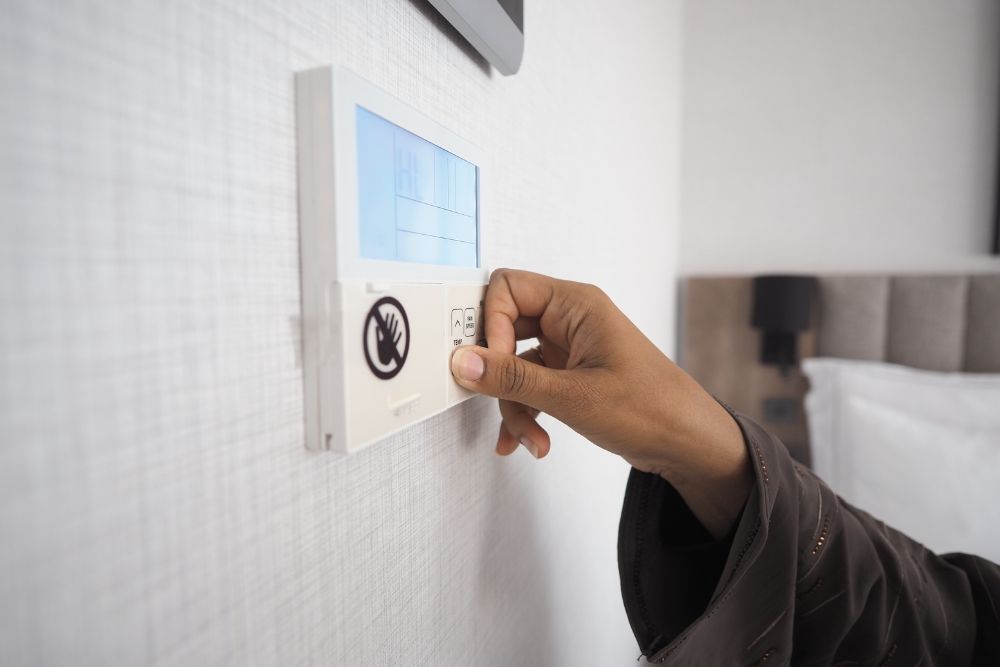
Your thermostat plays a huge role in determining how much you pay for heating. If it’s set too high, poorly programmed, or outdated, it can cause your system to run longer than necessary.
Common thermostat mistakes
- Keeping the temperature high all day
- Forgetting to lower it at night
- Heating unused rooms
- Using a manual thermostat that lacks scheduling
Smart fixes
- Lower your thermostat by 1–2°C
- Install a programmable thermostat
- Set heating schedules based on your routine
- Turn the heat down when you are away or asleep
A smart thermostat alone can cut your heating bill by 10–15%, without affecting comfort.
5. Air Leaks and Drafts Are Sabotaging Your Comfort
Drafts are silent but expensive. They make your home feel colder than it actually is, tricking you into increasing the temperature. You might be surprised how much air seeps through chimneys, pipes, outlets, and even keyholes.
Where drafts commonly occur
- Around window frames
- Under exterior doors
- Around electrical outlets
- At attic doors or hatches
- Around plumbing penetrations
How to eliminate drafts
- Use door draft stoppers
- Seal gaps with weatherproof caulk
- Install foam gaskets behind outlets
- Insulate attic doors
- Use a chimney balloon if you have an unused fireplace
Fixing drafts will immediately improve comfort and reduce the need for constant heating.
6. Your Home Layout or Habits Are Causing Energy Waste
Sometimes, homeowners unknowingly create conditions that increase heating consumption. Simple daily habits or furniture placement can have a surprisingly big impact.
Habits that raise heating costs
- Blocking vents with furniture
- Leaving doors open in heated rooms
- Heating rooms that aren’t in use
- Using space heaters unnecessarily
- Drying clothes indoors, increasing humidity
How to fix it
- Rearrange furniture to allow proper airflow
- Close off unused rooms
- Let sunlight in during the day
- Use rugs to reduce heat loss through floors
- Layer clothing instead of raising the thermostat
Small lifestyle changes can give you quick, noticeable savings.
Also Read: 7 Signs Your AC Needs Repair Before It Quits on You
7. Your Home Lacks Energy-Efficient Upgrades
If your home still relies on older materials or outdated heating solutions, you may be losing money simply because of outdated technology.
Upgrades that make a big difference
- Energy-efficient windows
- High-efficiency boilers or furnaces
- Heat pumps
- Insulated pipes
- Radiator reflectors
- Smart home heating controls
These upgrades not only reduce heating costs but also increase your home’s value.
What You Can Do to Start Saving
You don’t have to implement every solution at once. Begin with the simplest and cheapest fixes, then work your way up as your budget allows.
Start with:
- Checking for drafts
- Lowering your thermostat
- Cleaning or replacing filters
Next, focus on:
- Improving insulation
- Servicing your HVAC system
- Adjusting your daily habits
Long-term solutions include:
- Upgrading to high-efficiency heating equipment
- Installing a smart thermostat
- Replacing old windows and doors
Each step you take will reduce heating waste and improve comfort, making your home warmer and your bills lower.
Final Thoughts: Stop Overpaying for Heating
You’re probably paying more for heating than you should; not because you’re using too much energy, but because your home and system aren’t working efficiently. Heat loss, poor insulation, inefficient equipment, and bad habits can all add up to higher bills.
The best part? Every problem has a solution. You see, by understanding what’s causing your high heating costs and taking simple corrective steps, you can:
- Cut your heating bill significantly
- Improve home comfort
- Reduce energy waste
- Extend the lifespan of your HVAC system
Start today, and you’ll feel (and see) the difference on your next bill.