Benefits of Installing a Smart Thermostat with Your HVAC System

Admin Account • October 1, 2025
Are you looking for a simple way to make your home more energy-efficient while keeping it comfortable year-round? Upgrading your HVAC system with a smart thermostat is one of the best decisions you can make. These innovative devices go beyond basic temperature control to help you save energy, reduce costs, and enjoy a smarter home. 

Here’s why installing a smart thermostat with your HVAC system is worth it: 

1. Saves you Energy and Lowers Utility Bills 

One of the biggest benefits of a smart thermostat is its ability to cut energy costs. It learns your schedule and automatically adjusts the temperature when you’re asleep or away, ensuring your HVAC system isn’t running unnecessarily. Over time, this translates into lower energy bills and significant savings. 

2. Control Your HVAC System from Anywhere 

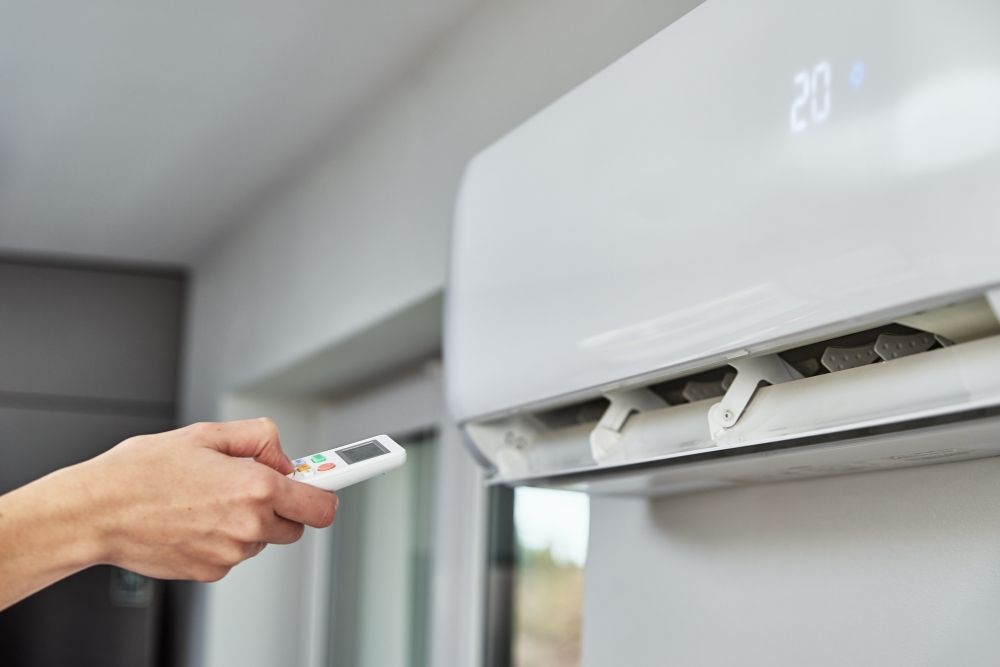
With a Wi-Fi-enabled smart thermostat, you can easily control your home’s temperature from your smartphone or tablet. Whether you’re at work, traveling, or relaxing in bed, you can adjust settings with just a tap making your home convenient and comfortable. 

3. Personalized Comfort for Your Home 

Smart thermostats adapt to your preferences and create the perfect indoor climate automatically. They track temperature patterns and even detect occupancy, ensuring your home is always at the ideal comfort level when you walk through the door. 


4. Track Energy Usage and Optimize Performance 

Many smart thermostats come with energy reports, allowing you to monitor your HVAC system’s performance and find additional ways to save energy. These insights help you make informed decisions about heating and cooling your home efficiently. 

5. Increase Your Home’s Value 

Energy-efficient upgrades, like a smart thermostat, add appeal and value to your home. Potential buyers appreciate modern, cost-saving technology, making this a smart investment for the future. 

6. Easy Installation and Long-Term Savings 

Most smart thermostats are easy to install and start saving you money right away. While the initial cost may be higher than traditional thermostats, the long-term energy savings quickly outweigh the investment. 

In a nutshell, a smart thermostat with your HVAC system is a simple upgrade that delivers comfort, convenience, and energy savings. With benefits like remote access, energy tracking, and smart home integration, it’s an investment that improves both your lifestyle and guarantees additional saving. 
By Admin Account January 3, 2026
Why You’re Paying More for Heating Than You Should – And How to Fix It If your heating bills seem to rise every month no matter how careful you are, probably you’re not alone. Millions of homeowners and businesses experience the same problem every year. The surprising part? Most people don’t know why their energy costs are so high, and even fewer know how to fix the issue. Heating your home or office shouldn’t feel like a financial burden. With the right knowledge and a few smart changes, you can significantly reduce your heating expenses without sacrificing comfort. In this comprehensive guide, we’ll uncover the main reasons your heating bill is higher than it should be and show you practical, affordable ways to lower it. 1. Your Home Is Losing Heat Faster Than You Realize One of the biggest reasons people pay too much for heating is simple: heat is escaping faster than the heater can replace it. When your home isn’t properly sealed or insulated, warm air slips out and cold air sneaks in –forcing your heating system to run longer and work harder. How heat escapes Thin or poorly insulated walls Unsealed gaps around windows and doors Cracks in floors or ceilings Drafts under exterior doors Single-pane or old windows Even a small gap can have a big impact. If you add up all the tiny cracks in an average home, it can be equivalent to leaving a full-sized window open all day. Also Read: Benefits of Installing a Smart Thermostat with Your HVAC System What you can do Install weather stripping around doors and windows Seal cracks using caulk or expanding foam Upgrade to double-glazed or energy-efficient windows Add insulation to your attic, walls, or roof Use heavy curtains to retain heat at night These small steps can reduce your heating loss by up to 25–30%, giving you immediate savings. 2. An Old or Inefficient Heating System Is Draining Your Wallet Heating systems degrade over time. If your system is more than 10 – 15 years old, it likely uses more energy than modern units. Older units require more power to produce the same amount of heat, and the result is a higher energy bill. Common signs your heater is inefficient Your home heats unevenly The system runs constantly You hear unusual noises It takes longer to warm the house Your bills rise even when usage stays the same Solutions to consider Schedule a professional inspection Upgrade to a modern, energy-efficient HVAC system Replace worn-out parts such as motors or fans Install a high-efficiency heat pump Newer systems are designed to use far less energy. Upgrading could lower your heating costs by 30% or more, while also increasing comfort. 3. Your System Is Not Being Maintained Properly Heating systems perform best when they’re well-maintained. But many people forget to service their HVAC systems until something breaks. Dirty filters, clogged ducts, and worn-out components force your system to work harder – wasting energy and increasing your costs. How lack of maintenance hurts your wallet Reduced airflow = longer heating cycles Dust buildup = overheating and inefficiency Clogged parts = higher energy consumption Overworked systems = more breakdowns and repairs How to fix it Replace or clean filters every 1–3 months Schedule professional servicing at least once a year Keep vents and registers open and unobstructed Vacuum the area around the unit to reduce dust Regular maintenance is one of the cheapest and most effective ways to reduce heating costs. 4. Your Thermostat Settings Are Working Against You Your thermostat plays a huge role in determining how much you pay for heating. If it’s set too high, poorly programmed, or outdated, it can cause your system to run longer than necessary. Common thermostat mistakes Keeping the temperature high all day Forgetting to lower it at night Heating unused rooms Using a manual thermostat that lacks scheduling Smart fixes Lower your thermostat by 1–2°C Install a programmable thermostat Set heating schedules based on your routine Turn the heat down when you are away or asleep A smart thermostat alone can cut your heating bill by 10–15%, without affecting comfort. 5. Air Leaks and Drafts Are Sabotaging Your Comfort Drafts are silent but expensive. They make your home feel colder than it actually is, tricking you into increasing the temperature. You might be surprised how much air seeps through chimneys, pipes, outlets, and even keyholes. Where drafts commonly occur Around window frames Under exterior doors Around electrical outlets At attic doors or hatches Around plumbing penetrations How to eliminate drafts Use door draft stoppers Seal gaps with weatherproof caulk Install foam gaskets behind outlets Insulate attic doors Use a chimney balloon if you have an unused fireplace Fixing drafts will immediately improve comfort and reduce the need for constant heating. 6. Your Home Layout or Habits Are Causing Energy Waste Sometimes, homeowners unknowingly create conditions that increase heating consumption. Simple daily habits or furniture placement can have a surprisingly big impact. Habits that raise heating costs Blocking vents with furniture Leaving doors open in heated rooms Heating rooms that aren’t in use Using space heaters unnecessarily Drying clothes indoors, increasing humidity How to fix it Rearrange furniture to allow proper airflow Close off unused rooms Let sunlight in during the day Use rugs to reduce heat loss through floors Layer clothing instead of raising the thermostat Small lifestyle changes can give you quick, noticeable savings. Also Read: 7 Signs Your AC Needs Repair Before It Quits on You 7. Your Home Lacks Energy-Efficient Upgrades If your home still relies on older materials or outdated heating solutions, you may be losing money simply because of outdated technology. Upgrades that make a big difference Energy-efficient windows High-efficiency boilers or furnaces Heat pumps Insulated pipes Radiator reflectors Smart home heating controls These upgrades not only reduce heating costs but also increase your home’s value. What You Can Do to Start Saving You don’t have to implement every solution at once. Begin with the simplest and cheapest fixes, then work your way up as your budget allows. Start with: Checking for drafts Lowering your thermostat Cleaning or replacing filters Next, focus on: Improving insulation Servicing your HVAC system Adjusting your daily habits Long-term solutions include: Upgrading to high-efficiency heating equipment Installing a smart thermostat Replacing old windows and doors Each step you take will reduce heating waste and improve comfort, making your home warmer and your bills lower. Final Thoughts: Stop Overpaying for Heating You’re probably paying more for heating than you should; not because you’re using too much energy, but because your home and system aren’t working efficiently. Heat loss, poor insulation, inefficient equipment, and bad habits can all add up to higher bills. The best part? Every problem has a solution. You see, by understanding what’s causing your high heating costs and taking simple corrective steps, you can: Cut your heating bill significantly Improve home comfort Reduce energy waste Extend the lifespan of your HVAC system Start today, and you’ll feel (and see) the difference on your next bill.
By Admin Account December 17, 2025
As the world continues shifting toward greener living, energy-efficient heating, ventilation, and air-conditioning (HVAC) systems are becoming a top priority for homeowners and businesses. Even as we gear to usher in the New Year, the push for sustainability is becoming stronger than ever – fuelled by rising energy costs, stricter environmental standards, and a growing demand for smarter, cleaner technologies. If you’re planning to upgrade your HVAC system, here are the top five eco-friendly upgrades that will help you save energy, cut costs, and reduce your carbon footprint. 1. High-Efficiency Heat Pumps Heat pumps have been gaining popularity, but 2026 brings a new generation of ultra-efficient, low-carbon heat pumps. These systems use electricity, not fossil fuels; to transfer heat instead of generating it, making them one of the greenest HVAC options on the market. Why they stand out: Reduce energy use by up to 50% Work for both heating and cooling Ideal for both residential and commercial buildings Lower long-term utility bills With newer heat pumps designed to operate efficiently even in colder climates, they’re becoming the go-to eco-friendly replacement for traditional furnaces and AC units. 2. Smart Thermostats with AI Optimization Smart thermostats aren’t new, but going forward, they are deemed to become much smarter. The latest models use AI-driven learning to analyze your daily routines, track weather conditions, and adjust your HVAC settings automatically. Benefits include: Real-time energy optimization 15–25% reductions in heating and cooling costs Remote control via smartphone Detailed energy-use reports By making temperature adjustments only when needed, smart thermostats eliminate waste and keep your home comfortable with minimal energy use. Also Read: Benefits of Installing a Smart Thermostat with Your HVAC System 3. Solar-Powered HVAC Systems Solar energy is becoming more accessible and affordable, and now, HVAC manufacturers are incorporating solar-ready technology directly into their systems. Solar-powered HVAC benefits: Use free, renewable energy from the sun Drastically reduce electricity bills Lower carbon emissions Provide long-term savings with very low maintenance Pairing solar panels with high-efficiency HVAC equipment is one of the smartest upgrades for anyone committed to going green in 2026 and beyond. 4. Energy Recovery Ventilators (ERVs) Indoor air quality matters – and so does conserving energy. ERVs help you achieve both. These systems exchange stale indoor air with fresh outdoor air while capturing up to 80% of the energy normally lost during ventilation. Why ERVs are eco-friendly: Reduce the load on HVAC systems Improve indoor air quality Minimize energy loss during ventilation Help manage humidity levels naturally ERVs are especially useful for tightly sealed modern homes that struggle with airflow but still want to stay energy-efficient. 5. Eco-Friendly Refrigerants By 2026, the global phase-out of traditional refrigerants seem to be in motion, pushing homeowners and businesses toward environmentally friendly alternatives, such as R-32 and other low-GWP (Global Warming Potential) refrigerants. What makes them better: Lower environmental impact Higher efficiency in most HVAC systems Reduced carbon footprint Compliance with current and upcoming regulations Upgrading to systems that use green refrigerants not only protects the environment but also ensures your HVAC equipment stays compliant with future laws. Also Read: Ductless vs. Central Air: What’s Best for Your Home or Office? Why Eco-Friendly HVAC Upgrades Matter Eco-friendly HVAC upgrades aren’t just good for the planet; they’re good for your wallet. Energy-efficient systems helps to: Cut electricity bills Boost property value Reduce maintenance costs Improve comfort and air quality As we move into 2026, these upgrades will play a major role in helping homes and businesses transition to a more sustainable future. In conclusion, choosing eco-friendly HVAC solutions is one of the smartest investments you can make in 2026. These technologies not only reduce your carbon footprint but also deliver long-term financial benefits, making them a win for both the environment and your comfort.
By Admin Account October 1, 2025
The body content of your post goes here. To edit this text, click on it and delete this default text and start typing your own or paste your own from a different source.
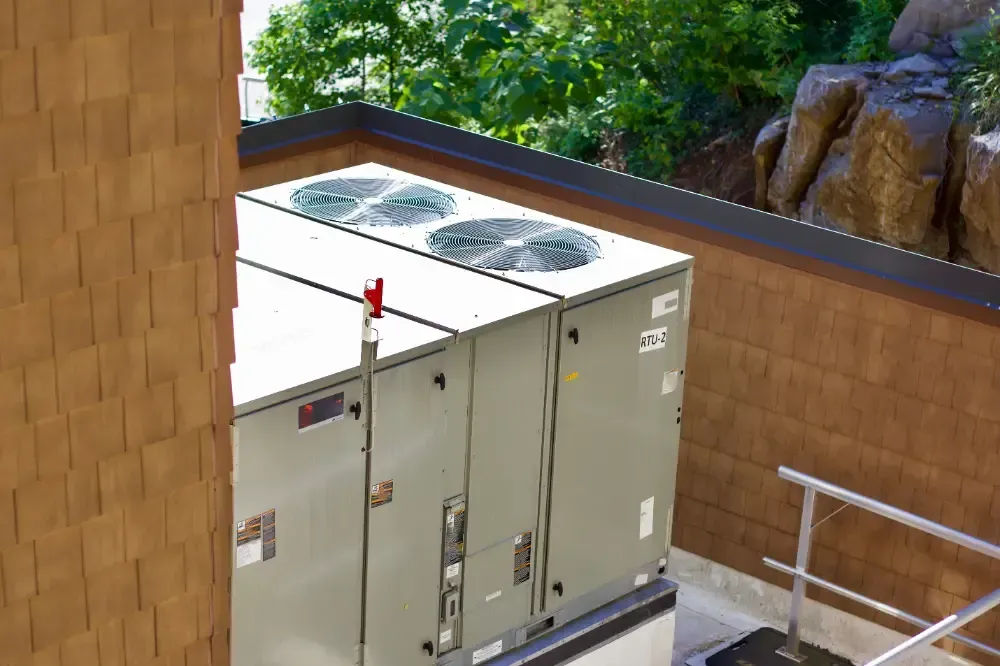
A large air conditioner is sitting on the side of a building.
By Admin Account June 23, 2025
Service your HVAC system twice a year—spring and fall—to boost efficiency, avoid costly repairs, and extend its lifespan.
A man and a woman are sitting on a couch holding a fan.
By Admin Account May 27, 2025
When the heat is blazing outside, the last thing you want is for your air conditioner to suddenly stop working. But AC units often give subtle (and sometimes not-so-subtle) hints that they’re struggling long before they break down completely. Catching these signs early can save you from sweaty discomfort and a hefty repair bill.
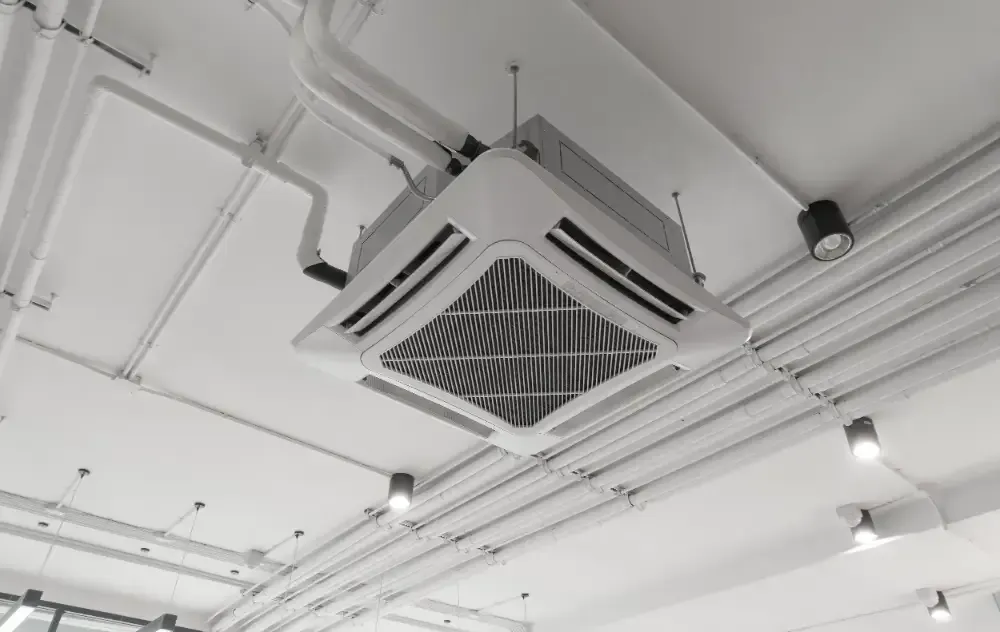
A black and white photo of a ceiling mounted air conditioner.
May 23, 2025
Indoor air quality (IAQ) is one of the most important and often overlooked aspects of comfort and health in commercial buildings. Whether in an office, shopping mall, hotel, or hospital, the quality of the air inside directly impacts how people feel, think, and work.