By Admin Account
•
February 24, 2026
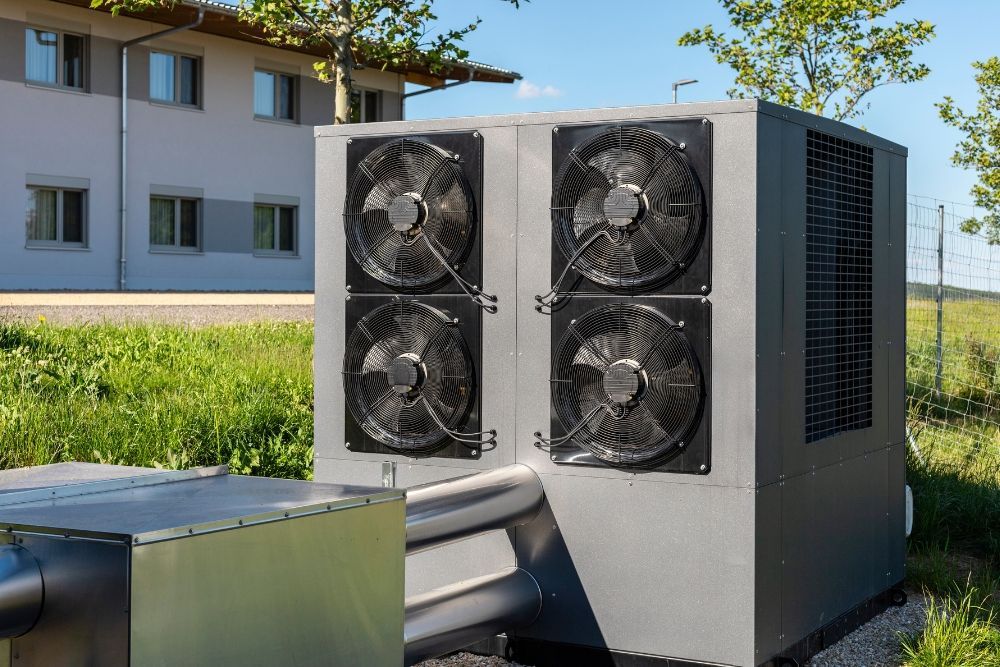
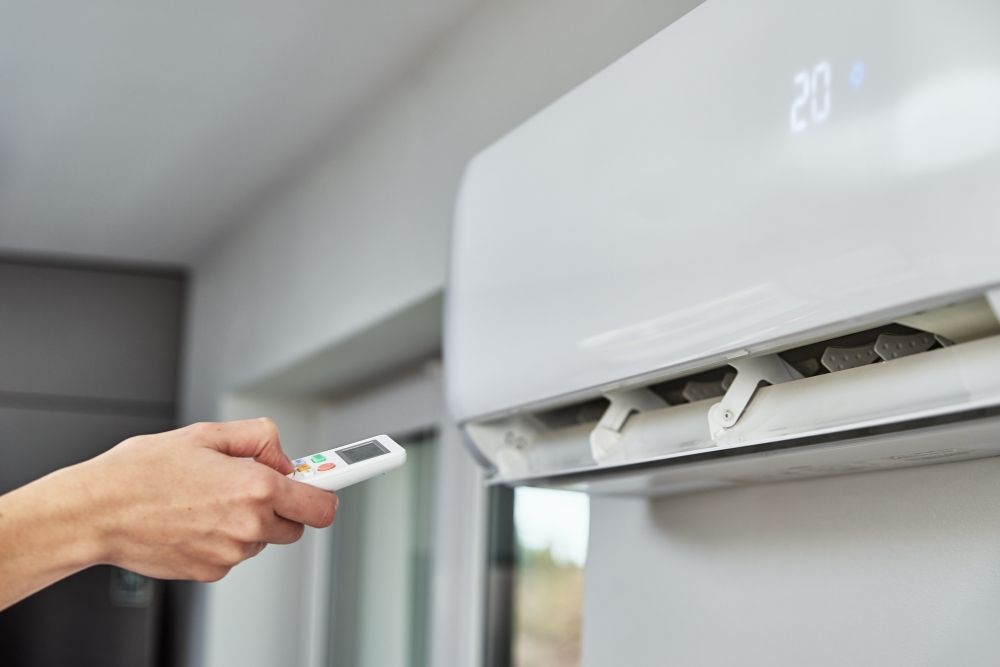
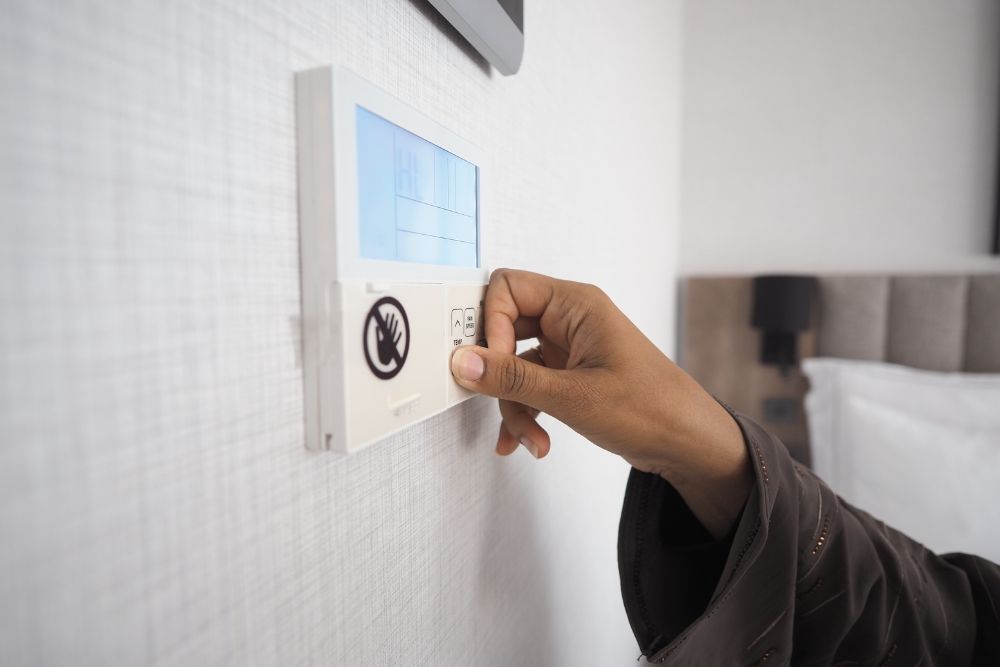
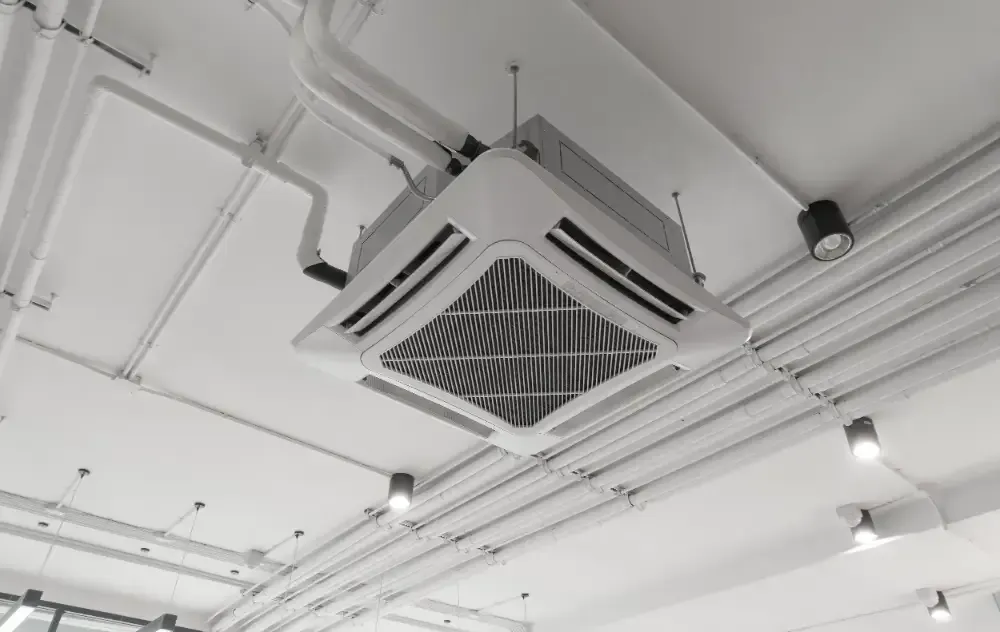
Top 5 Eco-Friendly HVAC Upgrades for 2026 As electricity costs rise and sustainability becomes a national and global priority, more Kenyan homeowners, property developers, and businesses are looking for smarter ways to heat, cool, and ventilate their buildings. In 2026, eco-friendly HVAC upgrades are no longer a luxury; they are a practical solution for reducing power bills, improving indoor comfort, and protecting the environment. Kenya’s growing urban centres such as Nairobi, Mombasa, Kisumu, Nakuru, and Eldoret are experiencing increased demand for energy-efficient buildings. At the same time, the country’s strong push toward renewable energy makes eco-friendly HVAC systems more relevant than ever. In this piece, we explore the top 5 eco-friendly HVAC upgrades for 2026, tailored specifically for Kenya’s climate, energy costs, and building needs. Why Eco-Friendly HVAC Systems Matter in Kenya HVAC systems (Heating, Ventilation, and Air Conditioning) are among the largest consumers of electricity in homes, offices, hospitals, hotels, and shopping malls. Traditional systems often waste energy, increase carbon emissions, and lead to high monthly electricity bills. In Kenya, where power reliability and cost efficiency are major concerns, upgrading to eco-friendly HVAC solutions offers clear advantages: Lower electricity bills Reduced dependence on the national grid Improved indoor air quality Compliance with green building standards Support for Kenya’s climate action goals With that in mind, let’s look at the top eco-friendly HVAC upgrades to consider in 2026. 1. High-Efficiency Heat Pumps High-efficiency heat pumps are one of the most energy-saving HVAC upgrades gaining popularity in Kenya in 2026. Also Read: Why You’re Paying More for Heating Than You Should – And How to Fix It How Heat Pumps Wor k Unlike conventional systems that generate heat by burning fuel or consuming large amounts of electricity, heat pumps transfer heat from the air or ground. This process uses significantly less energy while delivering reliable heating and cooling. Why Heat Pumps Work Well in Kenya Kenya’s generally moderate climate makes heat pumps extremely efficient. They perform well in both warm and cooler regions such as Nairobi, Limuru, Naivasha, and parts of the Rift Valley. Benefits of Heat Pumps in Kenya Lower electricity consumption Reduced carbon footprint Heating and cooling in one system Long lifespan and low maintenance costs For residential homes, offices, hospitals, and hotels, heat pumps are a smart long-term investment in 2026. 2. Smart Thermostats and Intelligent HVAC Controls One of the simplest yet most cost-effective eco-friendly HVAC upgrades in Kenya is the installation of smart thermostats and intelligent control systems. Why Smart Thermostats Matter Many buildings in Kenya waste electricity by cooling or ventilating spaces that are not in use. Smart thermostats solve this problem by automatically adjusting temperatures based on occupancy, time of day, and weather conditions. Key Features in 2026 Mobile app control Energy usage tracking Automatic scheduling Integration with solar systems Benefits for Kenyan Homes and Businesses Reduced energy waste Lower monthly power bills Better temperature control Increased comfort for occupants For offices, apartments, hotels, and commercial buildings, smart HVAC controls deliver fast returns on investment with minimal installation costs. 3. Energy Recovery Ventilation (ERV) Systems Indoor air quality is becoming a top concern in Kenya, especially in urban areas with traffic pollution and dust. Energy Recovery Ventilation (ERV) systems provide a sustainable solution. What Is an ERV System? An ERV system brings fresh outdoor air into a building while capturing energy from outgoing indoor air. This reduces the load on air conditioning systems while maintaining good ventilation. Also Read: How Proper HVAC Design Improves Indoor Air Quality in Commercial Buildings Why ERV Systems Are Ideal for Kenya Modern Kenyan buildings are increasingly airtight to improve energy efficiency. However, this can trap pollutants indoors. ERV systems ensure constant airflow without increasing energy consumption. Benefits of ERV Systems Improved indoor air quality Reduced HVAC energy demand Better humidity control Healthier living and working environments ERV systems are especially useful in offices, hospitals, schools, hotels, and residential apartments. 4. Variable-Speed HVAC Systems Traditional HVAC systems operate at full power or not at all. In contrast, variable-speed HVAC systems adjust their output based on real-time demand. How Variable-Speed Systems Save Energy Instead of frequently switching on and off, these systems run at lower speeds for longer periods. This results in smoother temperature control and reduced electricity usage. Advantages for Kenyan Properties Lower energy bills Quieter operation Less wear and tear Better performance in fluctuating weather conditions In 2026, variable-speed technology is becoming standard in energy-efficient HVAC installations across Kenya. 5. Solar-Ready and Hybrid HVAC Systems Kenya is a global leader in renewable energy, making solar-ready HVAC systems one of the most practical eco-friendly upgrades available. What Are Solar-Ready HVAC Systems? These systems are designed to work alongside solar panels, allowing buildings to power part or all of their HVAC needs using clean solar energy. Why Solar HVAC Makes Sense in Kenya With abundant sunshine throughout the year, solar energy significantly reduces dependence on grid electricity and diesel generators. Benefits of Solar-Integrated HVAC Systems Reduced electricity bills Lower carbon emissions Increased energy independence Higher property value Solar-ready HVAC systems are ideal for homes, offices, hospitals, factories, and hospitality businesses looking to future-proof their energy use. Choosing the Right Eco-Friendly HVAC Upgrade in Kenya Before upgrading, it’s important to assess your building type, location, energy usage, and budget. Not every upgrade suits every property, but combining two or more eco-friendly solutions can deliver the best results. Key Factors to Consider Building size and usage Local climate conditions Electricity costs Availability of solar power Long-term maintenance needs Working with a professional HVAC provider in Kenya ensures proper system design, installation, and compliance with local standards. Benefits of Eco-Friendly HVAC Systems for Kenyan Businesses For commercial properties, eco-friendly HVAC upgrades offer more than just cost savings. Business Advantages Reduced operating expenses Compliance with environmental regulations Improved employee comfort and productivity Enhanced brand reputation Eligibility for green building certifications As sustainability becomes a competitive advantage, eco-friendly HVAC systems help Kenyan businesses stay ahead. In conclusion, eco-friendly HVAC upgrades are no longer optional for Kenyan homeowners and businesses, they are a smart response to rising energy costs, environmental responsibility, and modern comfort needs. From high-efficiency heat pumps and smart thermostats to energy recovery ventilation and solar-ready systems, these upgrades offer practical, long-term benefits. They reduce electricity bills, improve indoor air quality, and align with Kenya’s push toward renewable energy and sustainable development. Investing in eco-friendly HVAC solutions today means lower costs, better comfort, and a cleaner future for Kenya tomorrow.